For most riders in India, the season that matters runs through the cooler months after the monsoon. That leaves an awkward problem. The time you most want to be building form is the time your local roads are only just becoming pleasant to ride again, and a block of serious volume is hard to fit around work, traffic and weather at home.
A week in Chiang Mai at the end of November solves more of that than you would expect.
Why Chiang Mai, and why then
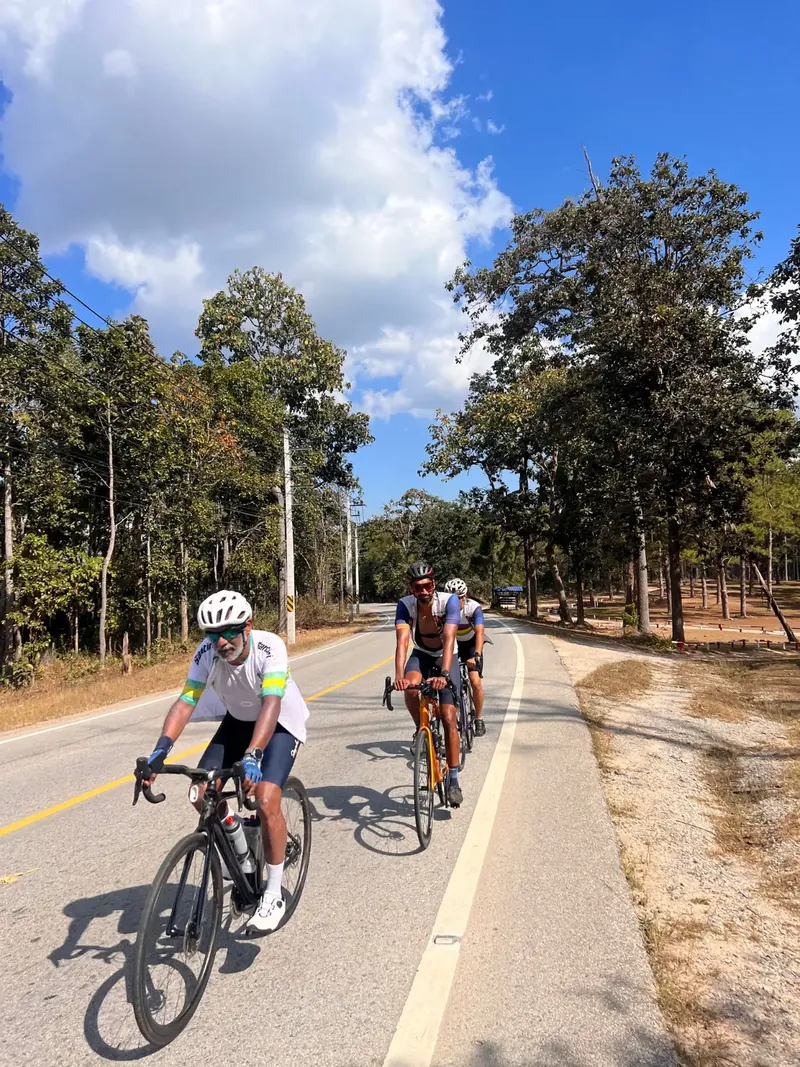
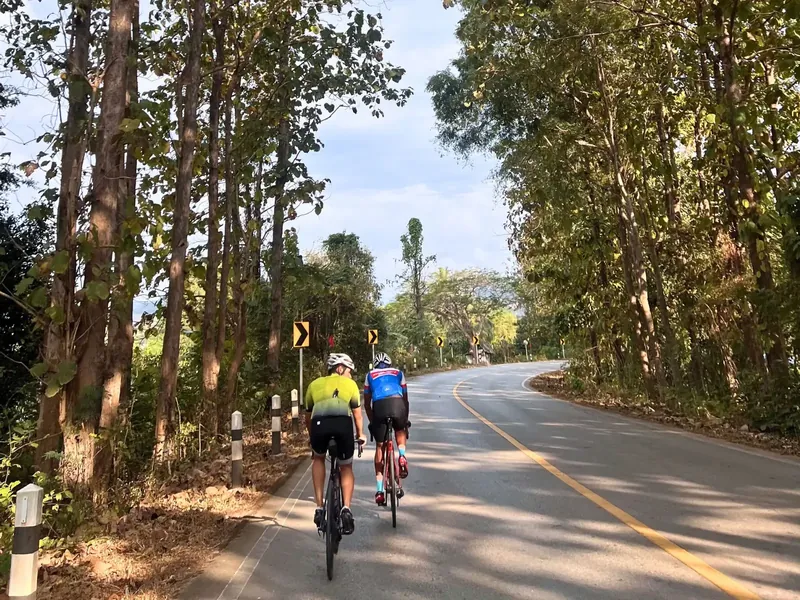
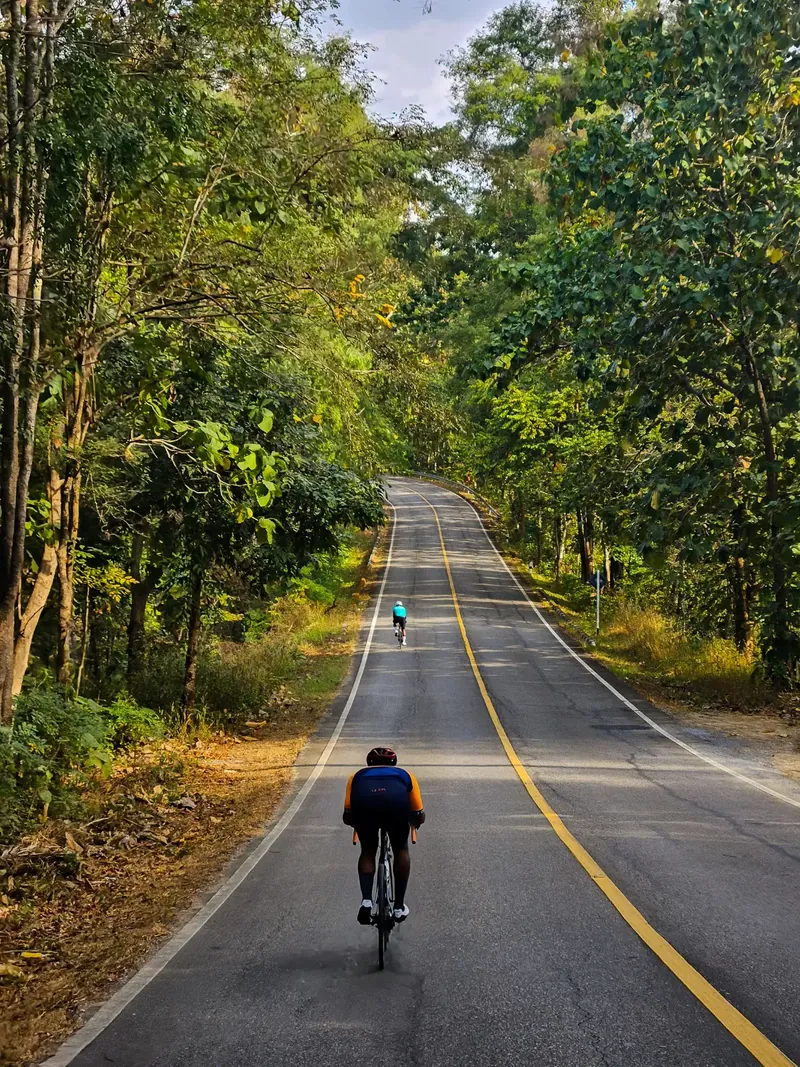
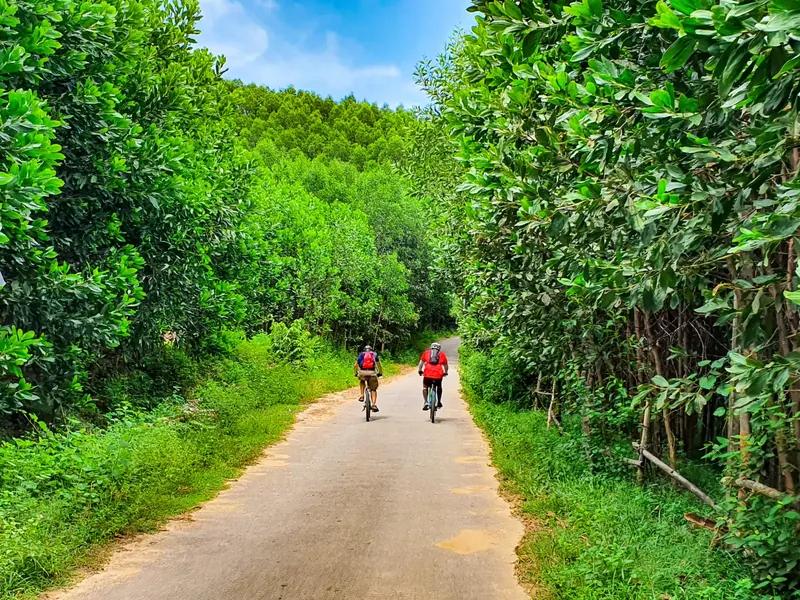
The roads north of the city are quiet, well surfaced and rarely flat. Within an hour of town you can be on long climbs, on loops that come back to the same base, on tarmac good enough to ride hard on without thinking about the surface.
The timing is the other half of it. Late November falls in the cool, dry part of northern Thailand's year, when mornings are fresh and the day stays comfortable well into the afternoon. It also sits ahead of the burning season. Agricultural burning in the north can begin towards the end of December and becomes more noticeable through January, bringing haze that is no friend to anyone breathing hard up a mountain. A late-November week avoids it.
What a week of riding looks like
Our Chiang Mai camp is seven days of riding from a single base: 655 km with a little over 9,000 metres of climbing. Every ride starts and finishes at the same hotel, so no time goes into transfers or packing, and the whole week goes into the legs.
The Samoeng loop, twice. The loop west of Chiang Mai through Samoeng is the backbone of riding in the area, and it comes in more than one length. We ride it once at 108 km with 2,177 metres of climbing, and again later in the week at 126 km with 2,791 metres, the biggest day of the week.
Mae Kampong. A long drag out of the city to the hill village of Mae Kampong: 104 km and 1,250 metres. Less steep than the Samoeng days, but long, and on legs that already have a few hard days in them.
A day to absorb it. A gentler 96 km loop through Mae Rim, with only around 400 metres of climbing, sits between the harder days. Training camps that skip the easier day tend to produce riders who are tired rather than fitter.
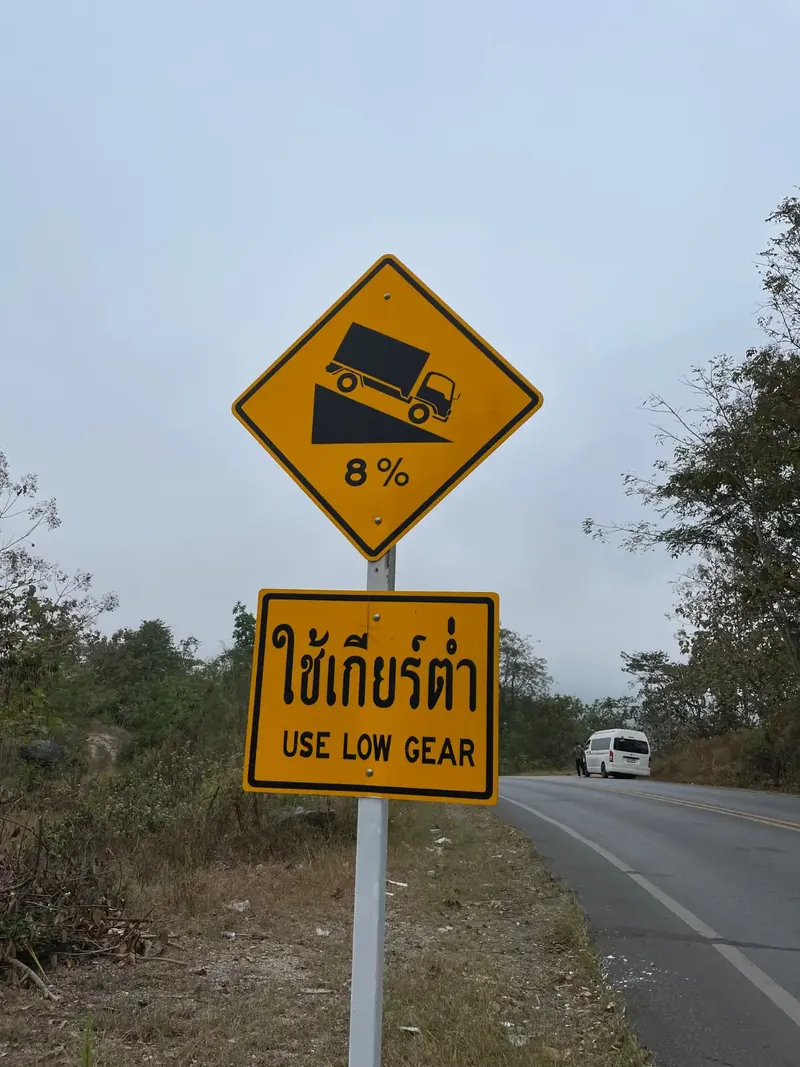
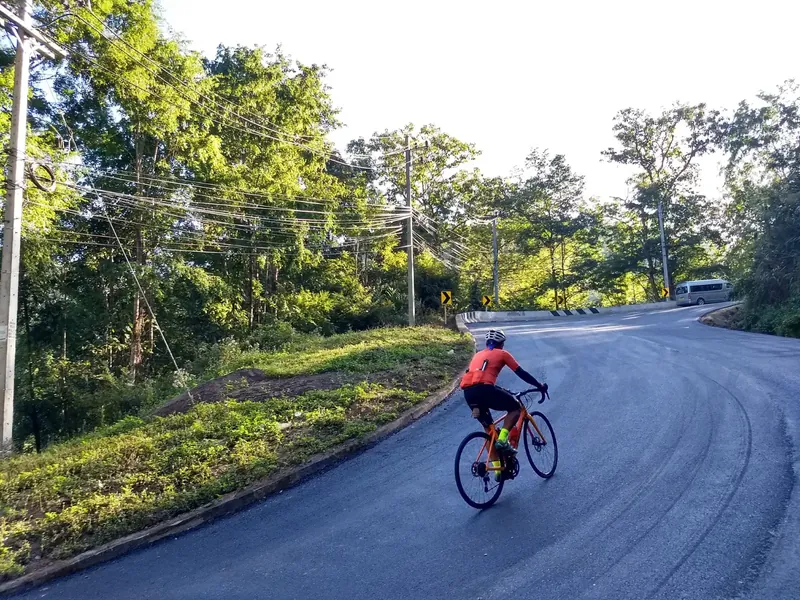
Doi Suthep, twice. Once early in the week at the end of a flatter day, and again as the last ride on the final morning. The climb is about eleven kilometres at a shade under six per cent, holding that gradient for almost all of the way, with the last few hundred metres the steepest of it. Ridden first thing, before the traffic to the temple builds, it is the best possible way to finish a week like this. The road itself was built by hand by volunteers in 1934 and 1935, a story we have told in our piece on cycling from Chiang Rai to Chiang Mai.
The honest part
This is a training camp, and it is worth being blunt about what that means.
There is a support vehicle for water, food and spares, but it stays with the group. It is not there to pick up riders who have had enough. The group rides disciplined pace lines at around 27 to 28 km/h on the flat, and nobody waits. Riders who need to sit up and recover on their own will find it a hard week.
So come with the fitness already in your legs. A week like this sharpens form you already have. It does not build form from nothing, and trying to use it that way is the fastest route to a miserable seven days.
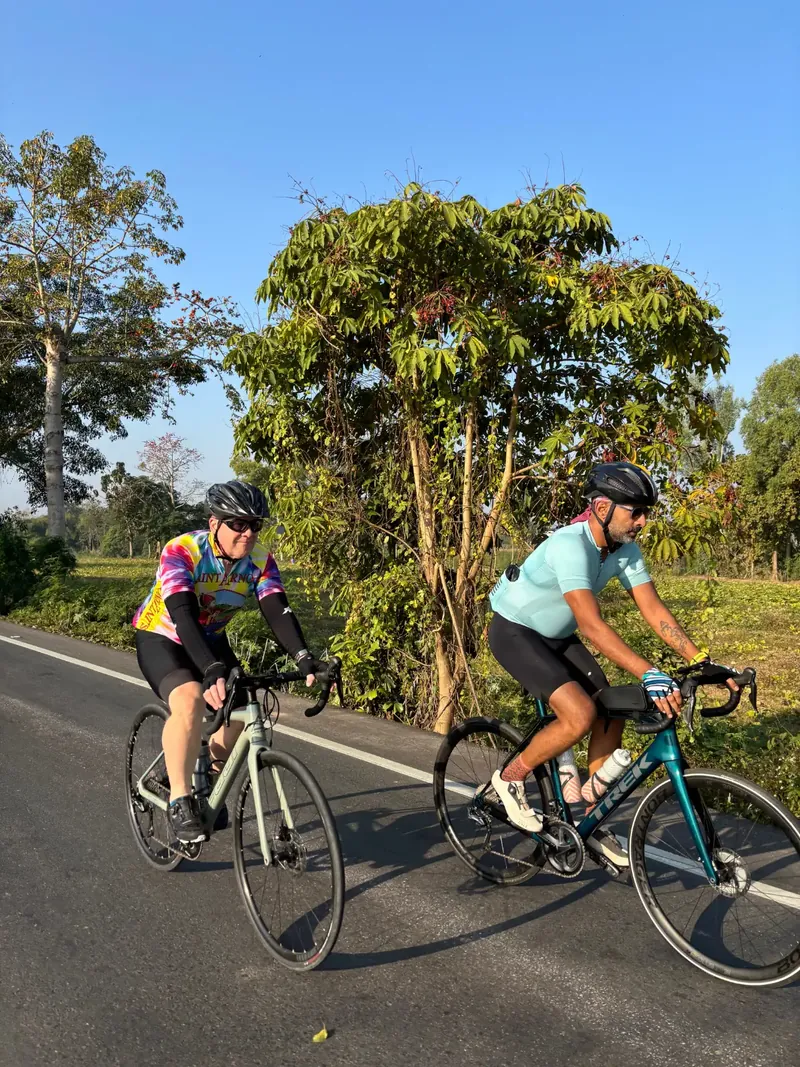
Groups are small, six to nine riders, which keeps the pace lines manageable and means everyone in them is there for the same reason.
Who it suits
A rider who already does serious weekly volume, wants a concentrated block before the season, and has struggled to find the climbing at home. If most of your training happens on flat roads around an Indian city, a week of sustained climbing in cool weather will expose things your usual riding does not.
If that is not you yet, our Tour of Northern Thailand covers some of the same country in a fully supported week, at a far gentler pace.
The camp itself, with dates, the full day-by-day and what is included, is on the Chiang Mai Cycling Camp page.
Written by Barnowl Adventures.